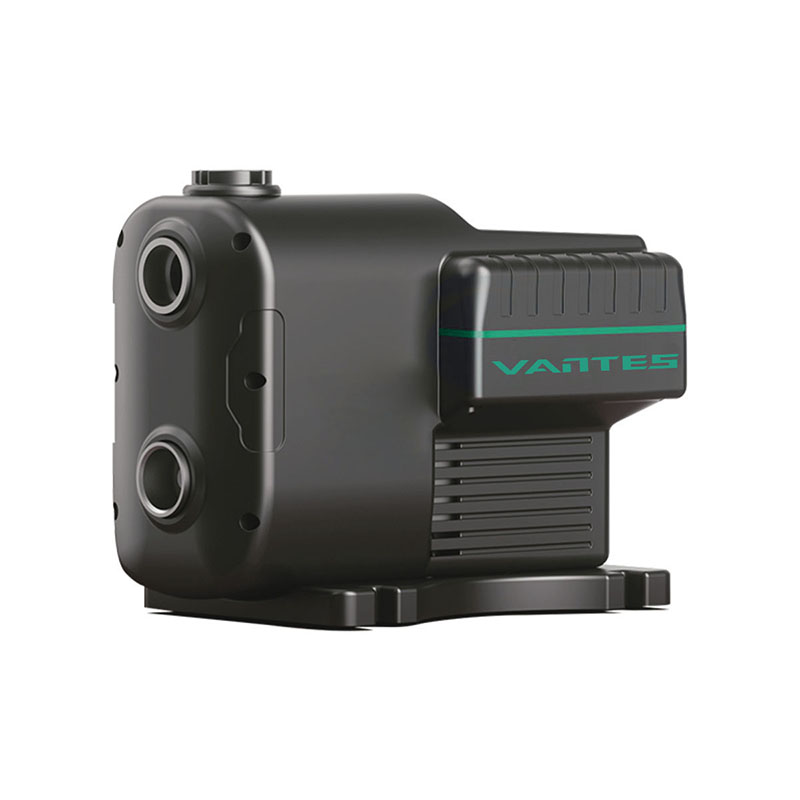
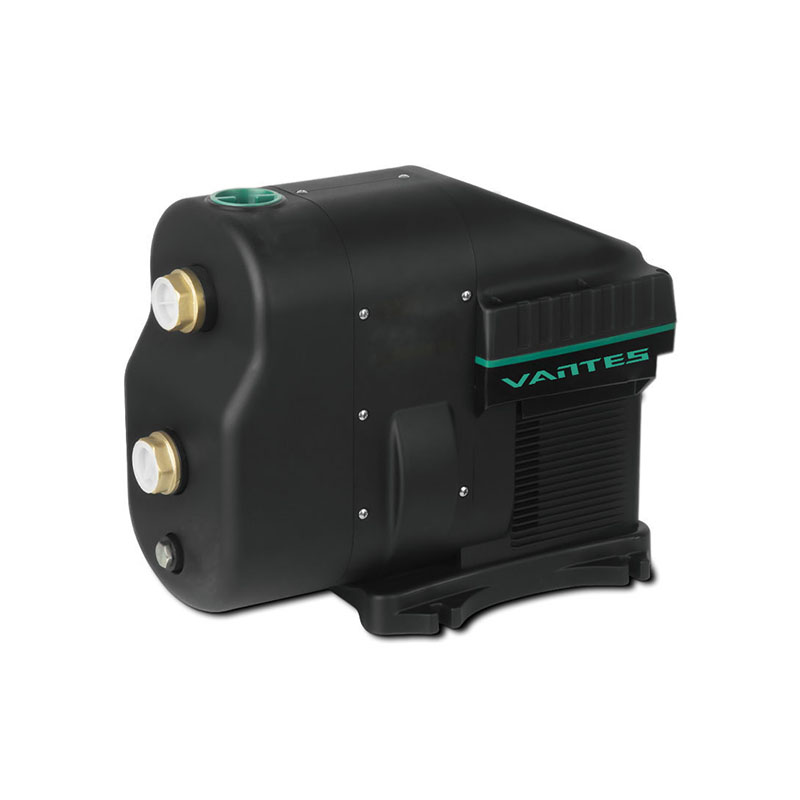
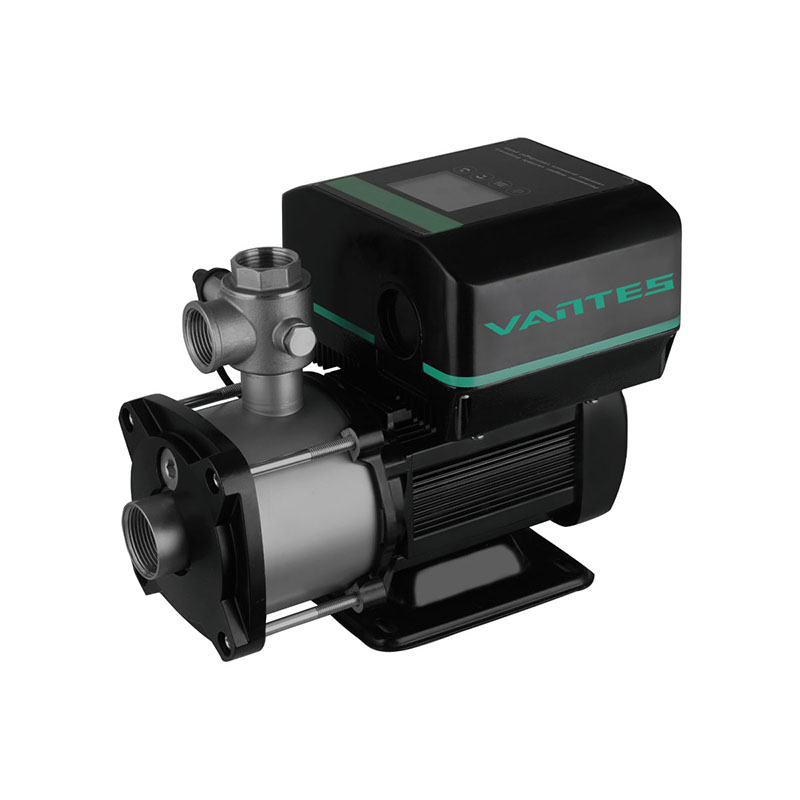
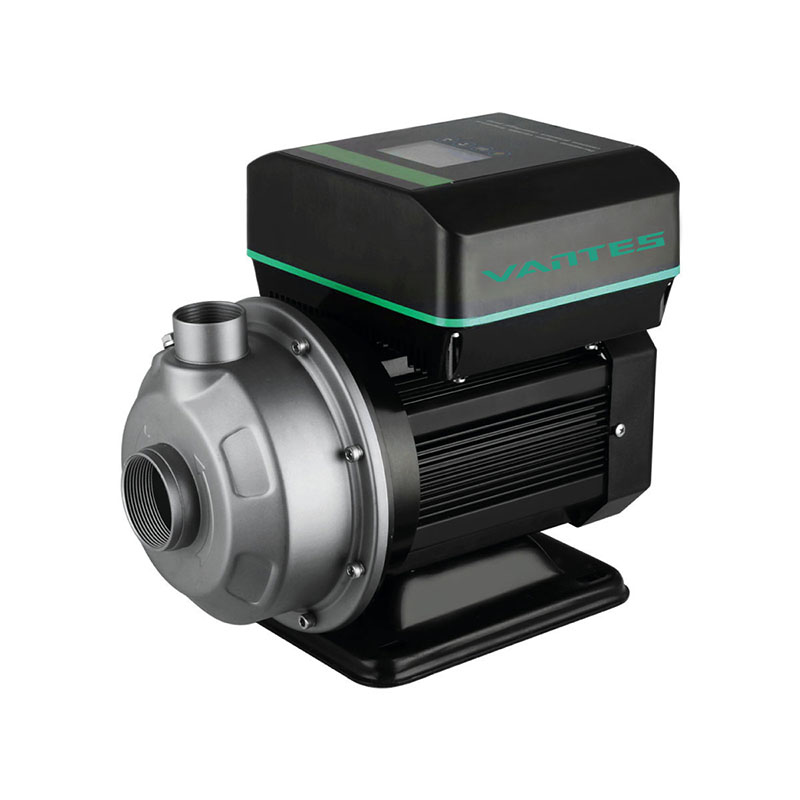
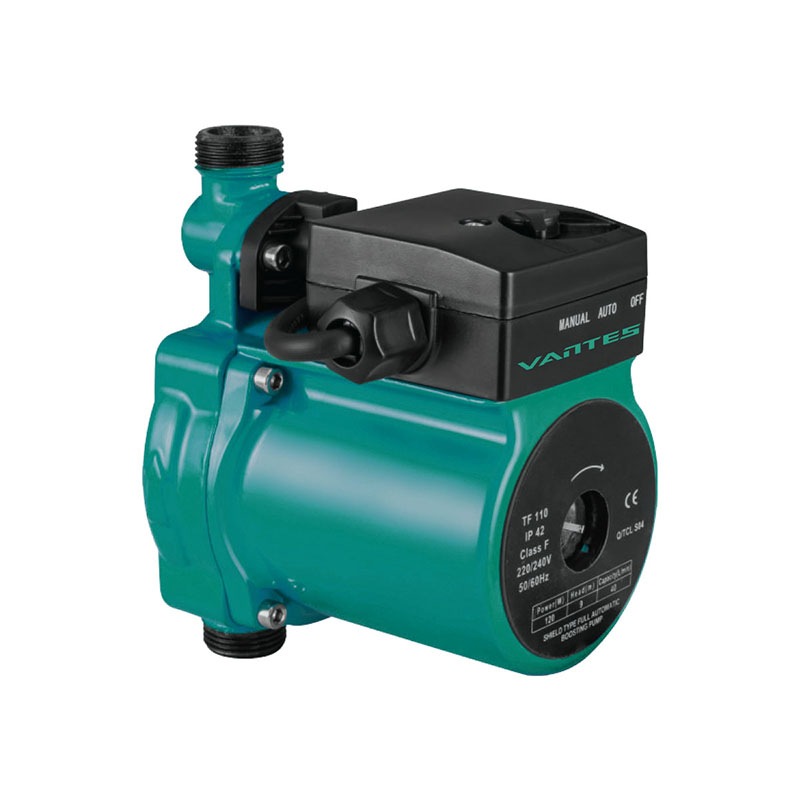
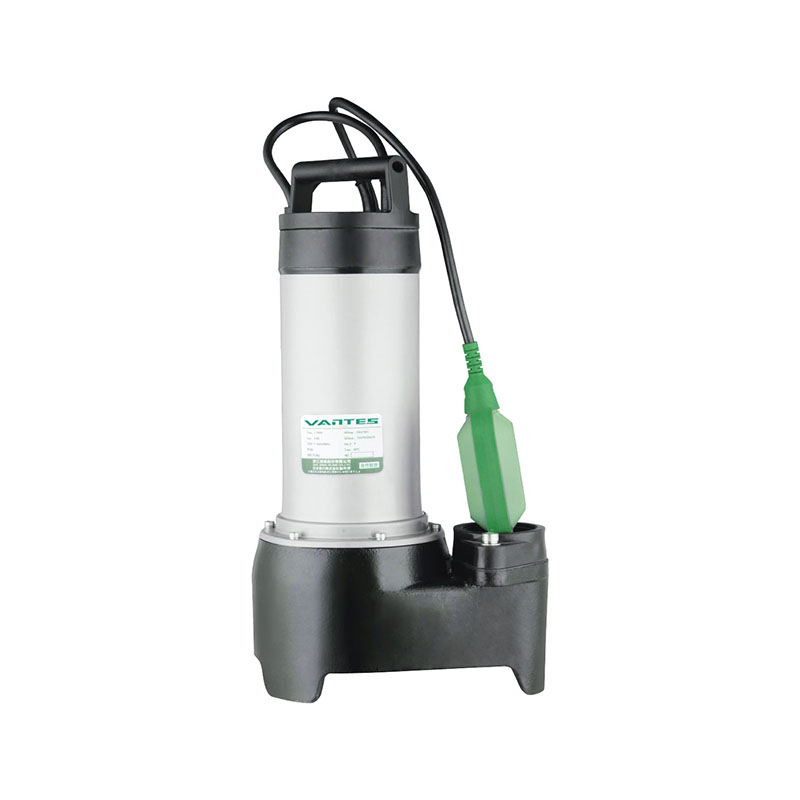
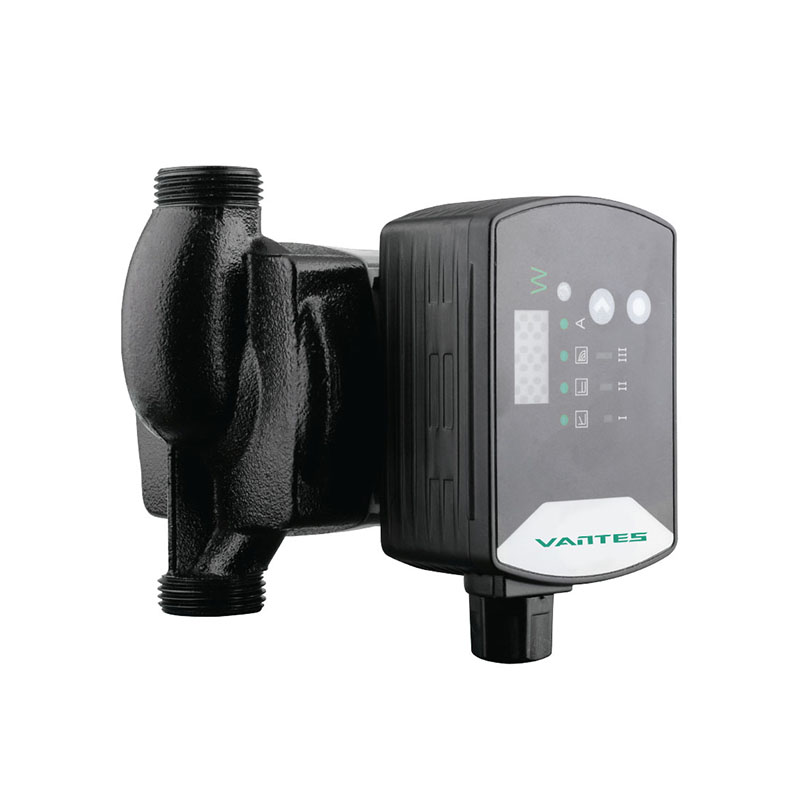
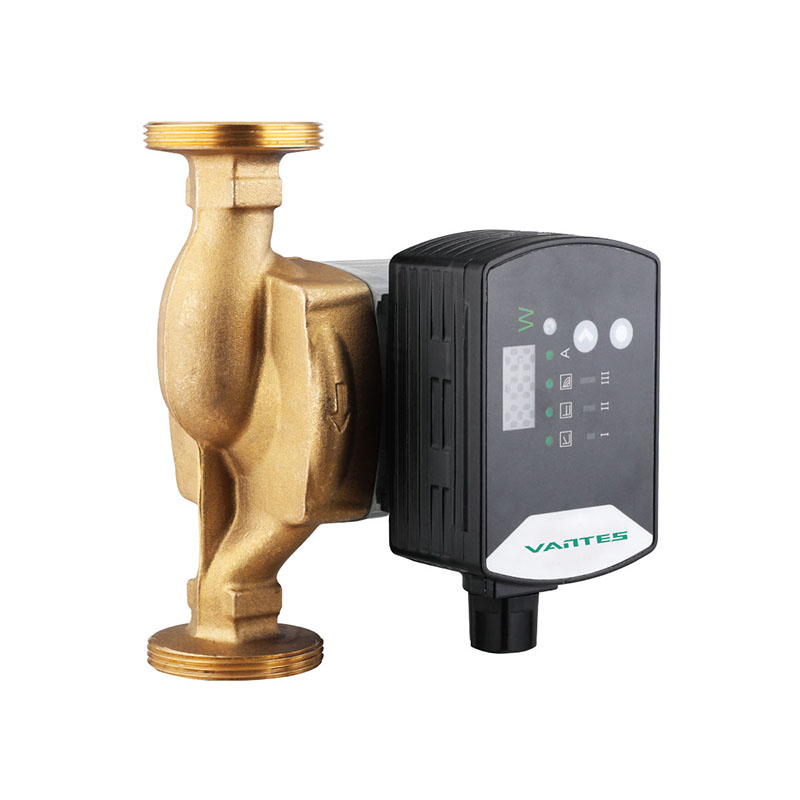
Construction teams often work in environments where water removal, transfer, and pressure control directly affect workflow. When comparing equipment options, many users consider whether a Centrifugal Booster Water Pump or a Self Priming Electric Pump can simplify on-site water management. Understanding how these units operate in real construction scenarios helps project managers select suitable systems and maintain smoother operations even when site conditions change unexpectedly.
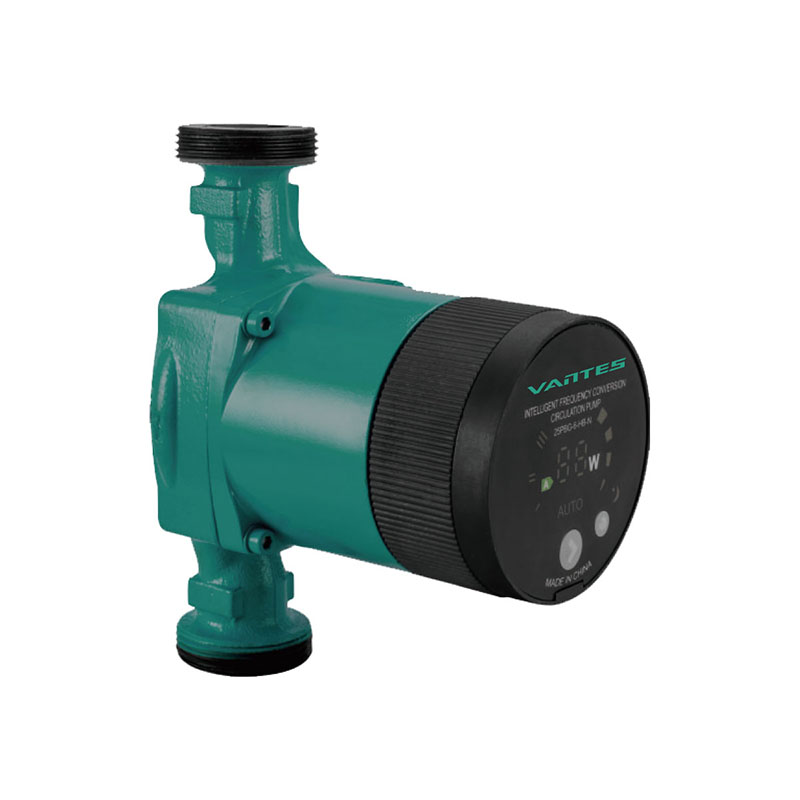
Construction sites rarely offer clean, steady water sources. Water may collect in trenches, excavations, or low-lying areas, often mixed with dirt or fine debris. Unlike pumps that require manual priming, a self-priming unit can begin drawing water even when the suction pipe contains air. This reduces interruptions caused by repeated priming, especially when hoses shift during excavation or when workers must reposition pipelines.
On earthworks and foundation projects where small pools frequently appear after rainfall, self-priming equipment allows quick start-up without special preparation. Workers can move the pump from one point to another, connect the hose, and restart operations with less delay. This responsiveness is valuable because construction schedules often depend on the ability to control water levels before concrete pouring, backfilling, or underground installations.
Water on sites is seldom clean. Pumps must handle fluids that can range from slightly sandy to moderately muddy. A self-priming design can tolerate these variations as long as particle concentration stays within the unit’s accepted range. The pump’s internal circulation during priming keeps air moving out of the lines, which helps maintain more stable suction even when the water contains suspended solids.
Users typically notice that as long as the suction inlet is positioned slightly above the very bottom of a trench, the unit maintains consistent flow. Pairing the pump with a screened inlet prevents larger debris from entering, reducing unnecessary wear. This setup allows construction staff to focus on digging or concrete work without frequently stopping to clear blockages.
Construction sites often require multiple water-handling processes at the same time. Some teams need dewatering pumps to keep foundation pits dry, while others require boosted pressure for washing equipment or supplying water for curing. Self-priming electric units can contribute to these tasks by reducing waiting time during startup and offering flexible placement options near water collection points.
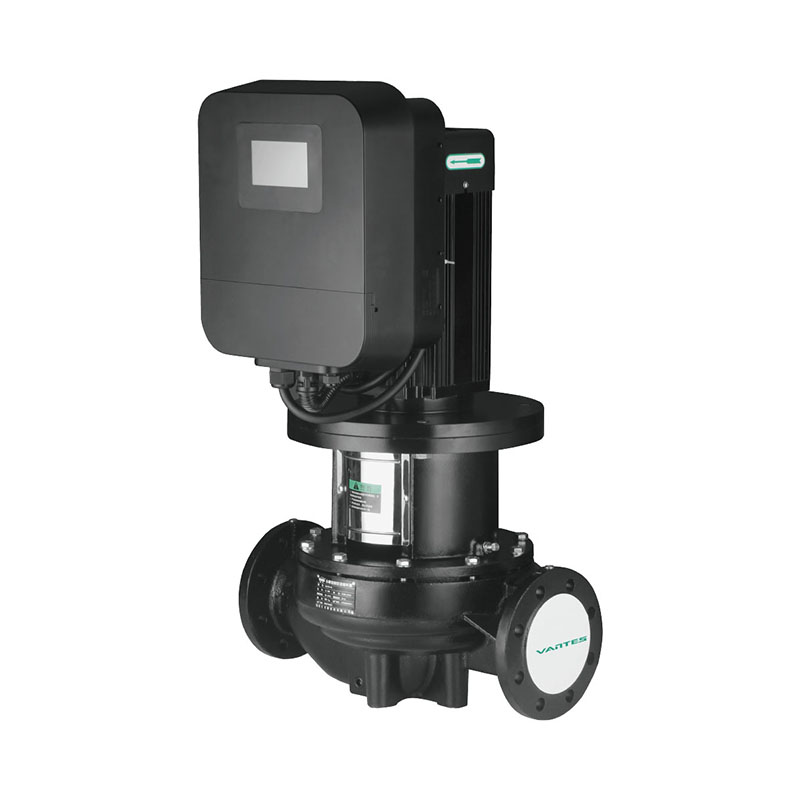
Where long pipelines are used—such as for spraying dust control water or transferring water between tanks—a centrifugal booster-type system can maintain steady pressure along the line. While each project is different, many users combine both pump types because one manages source suction and the other stabilizes onward pressure. This cooperation simplifies the water network without requiring overly complex setups.
Manual priming takes time and often requires more than one worker. When pumps lose suction due to hose movement, air pockets, or fluctuating water levels, repeated priming slows down the entire team. A self-priming pump can restore flow with far less user interaction, especially when pipelines are extended across uneven terrain.
This feature supports projects where workers must constantly shift their focus between drainage, material movement, and installation tasks. Instead of dedicating a worker to stand by the pump, teams can rely on the automatic re-priming cycle to manage temporary air entry. Fewer interruptions cause steadier progress, particularly during early-stage construction when trenching and excavation work frequently disturb pipelines.
To keep water systems functioning smoothly, several simple practices can be applied without specialized training. Raising the suction inlet slightly off the trench bottom helps reduce intake of heavy sediment. Ensuring airtight hose connections maintains stable suction because even small leaks can limit the pump’s ability to re-establish flow when air enters the line.
Many teams also check hoses at the start of each shift to confirm that corners are not sharply bent, since restricted flow can reduce pumping efficiency. Cleaning the pump casing after a day of heavy muddy-water usage prevents sediment from settling and ensures that the self-priming chamber remains clear. These actions take little time but help maintain more consistent performance under daily site conditions.
Electric self-priming pump units are frequently selected for sites with access to stable power sources because they produce steady operation without requiring fuel storage. Workers should position the pump on a firm surface, protect the electrical cable from sharp objects, and use a weather-resistant distribution box when operating outdoors.
Recommended Products

Mobile Terminal
Contact Information

+86-576-89954770

No 199, ErHuan Road ,Munan , Muyu Village, Wenling City, Zhejiang Province, China
Get In Touch


 English
 русский
 Español