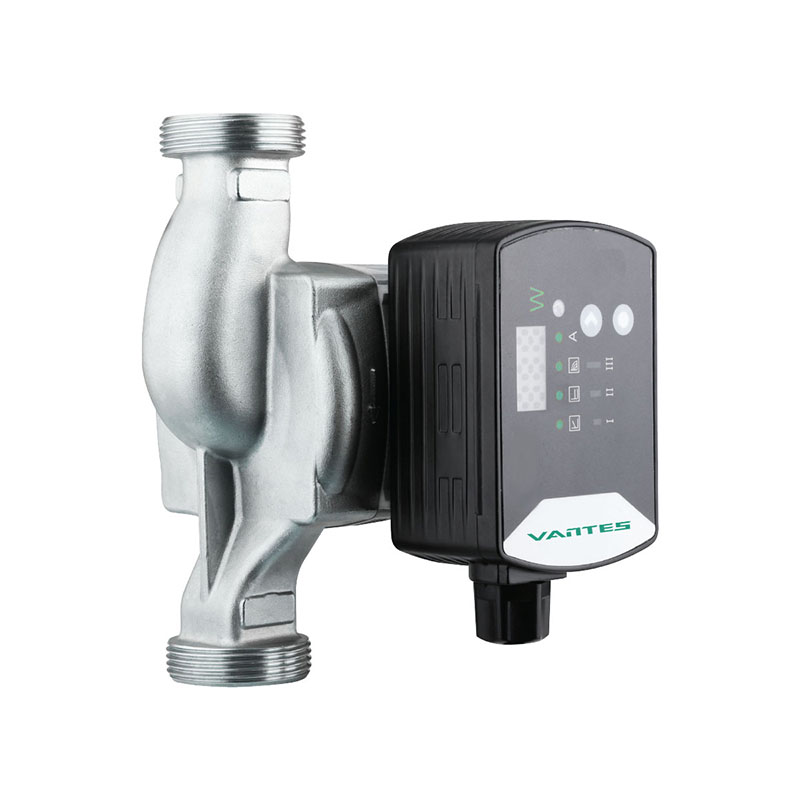
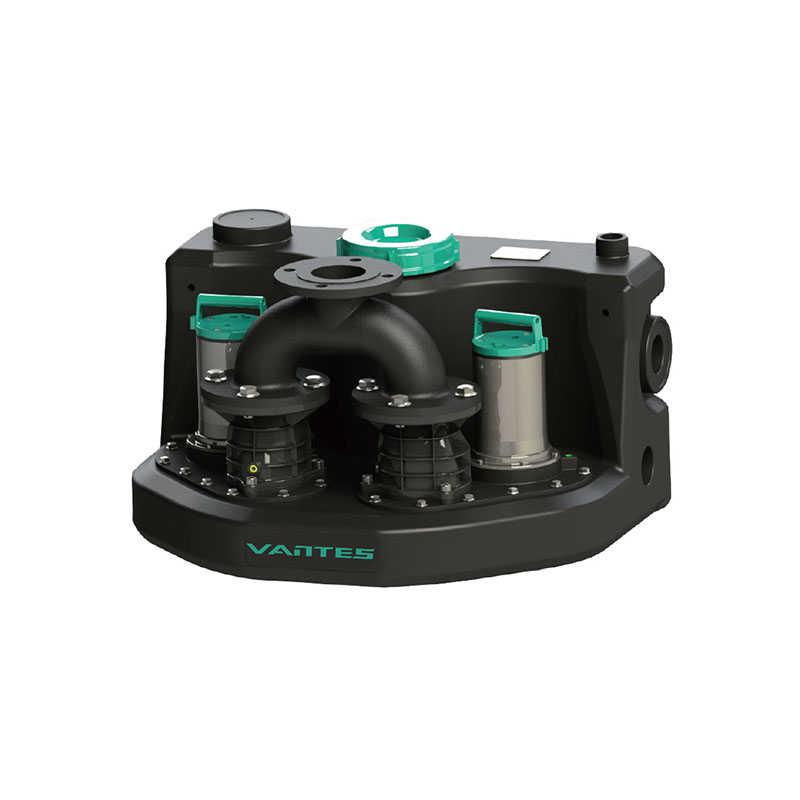
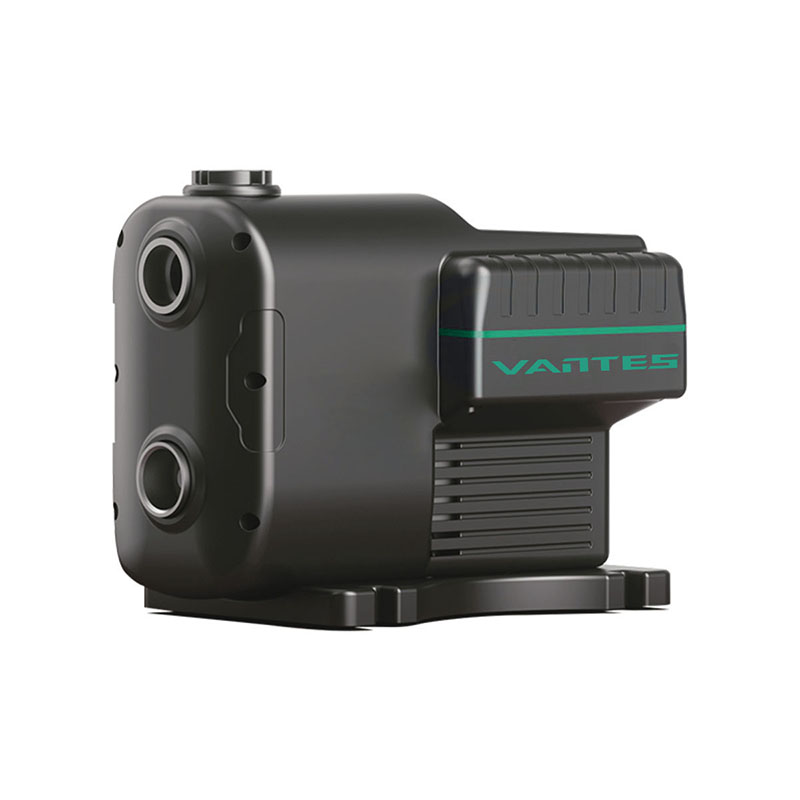
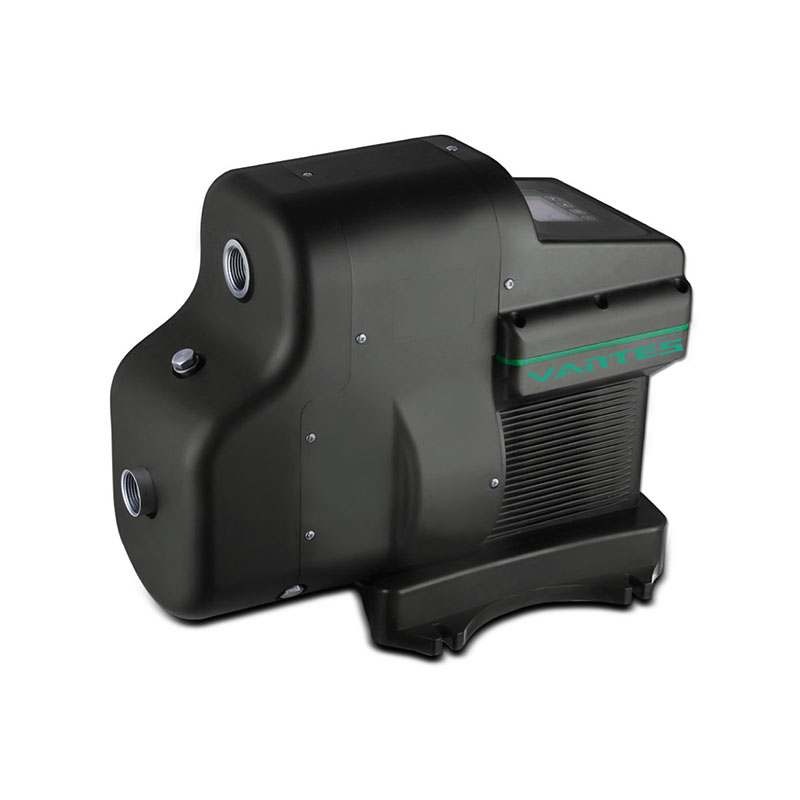
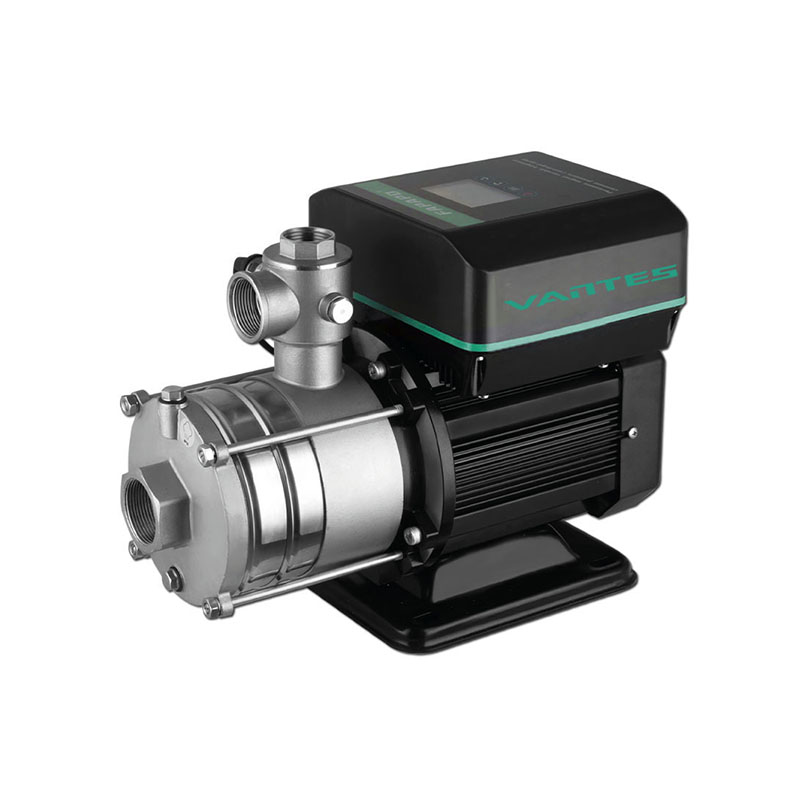
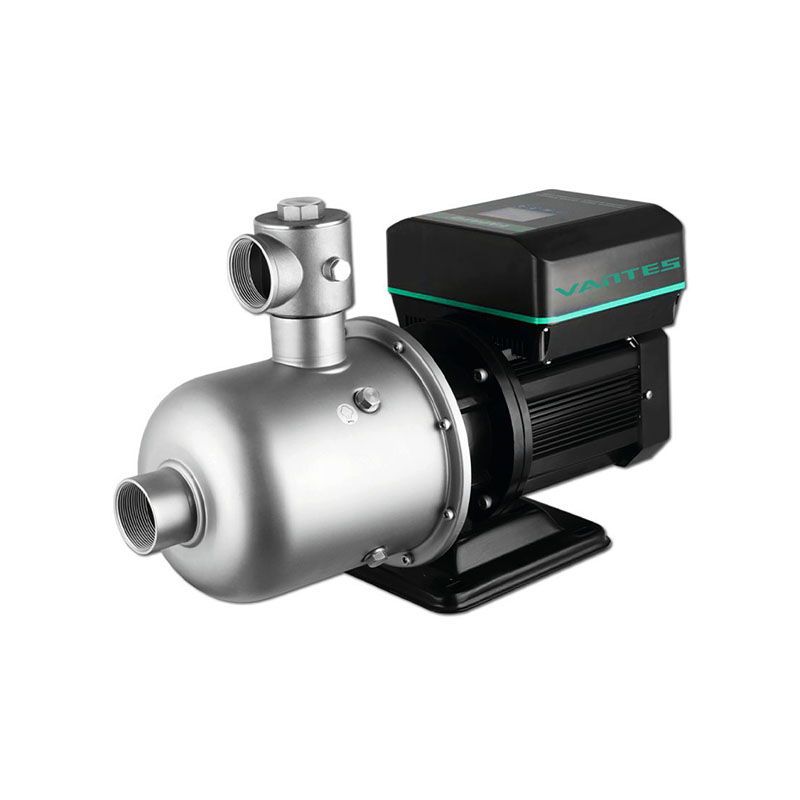
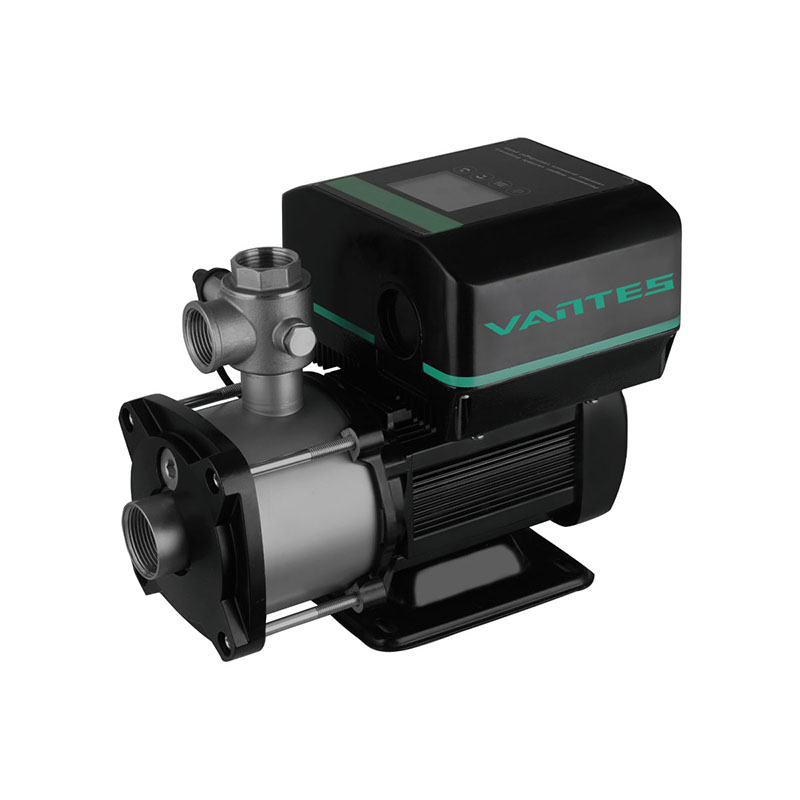
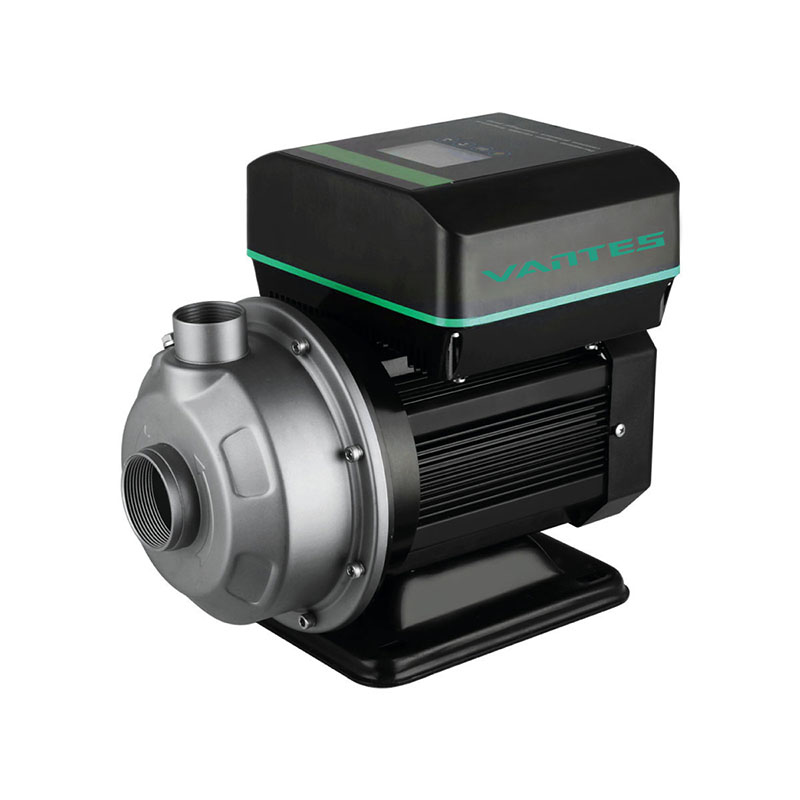
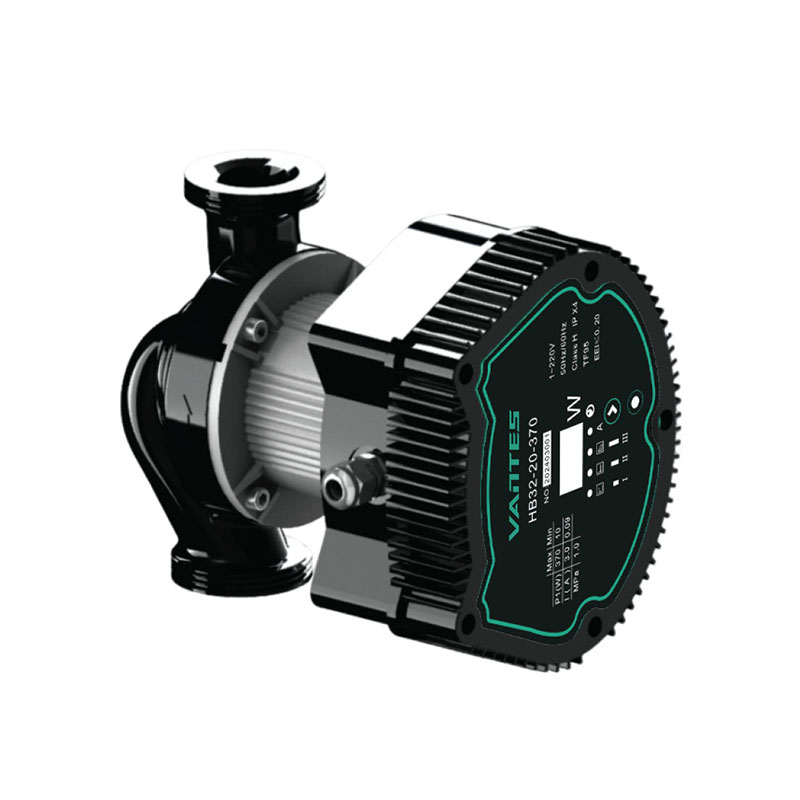
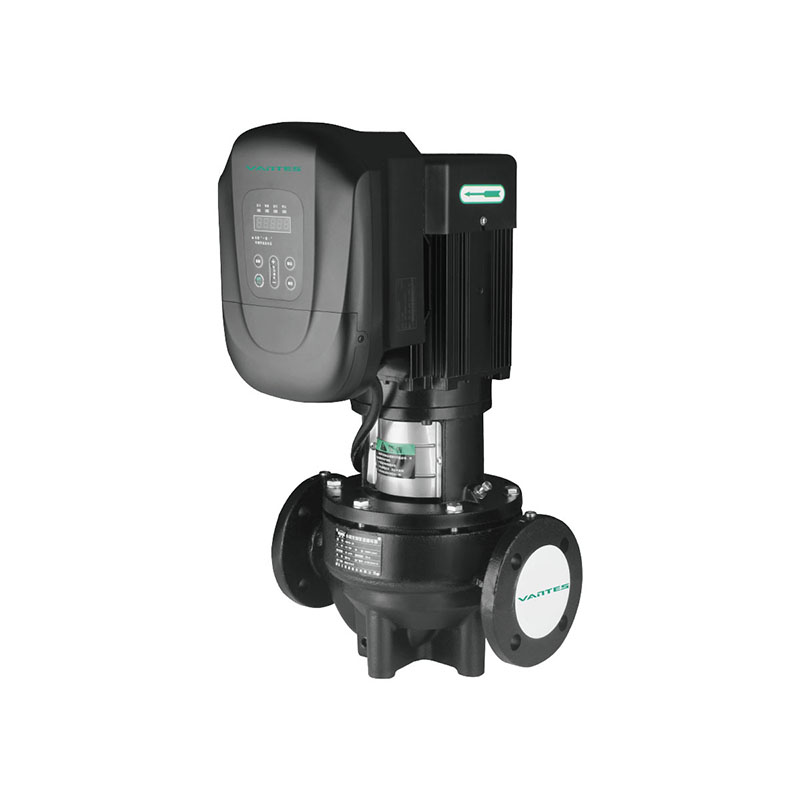
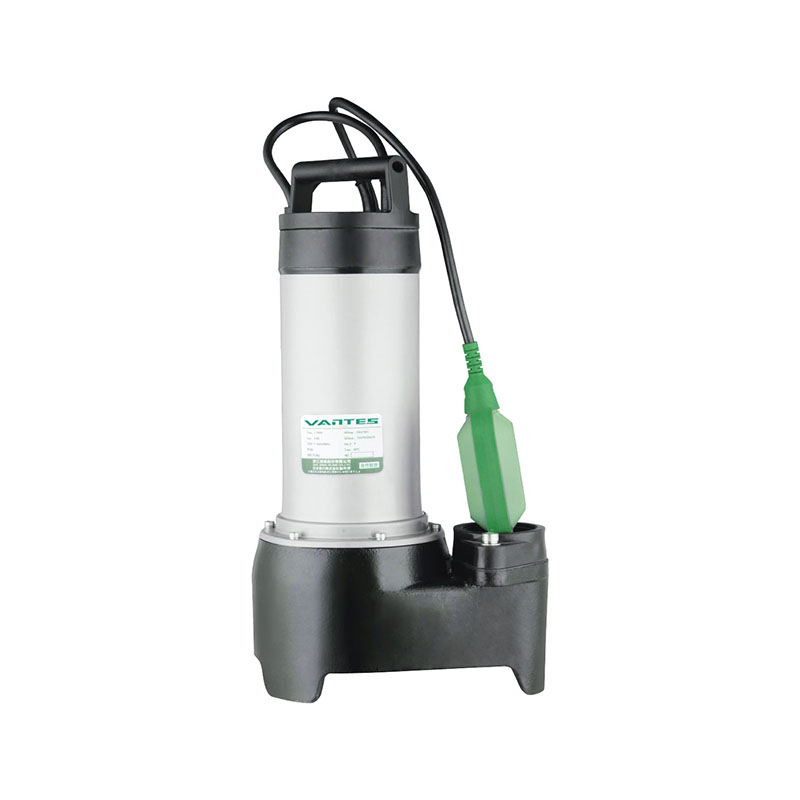
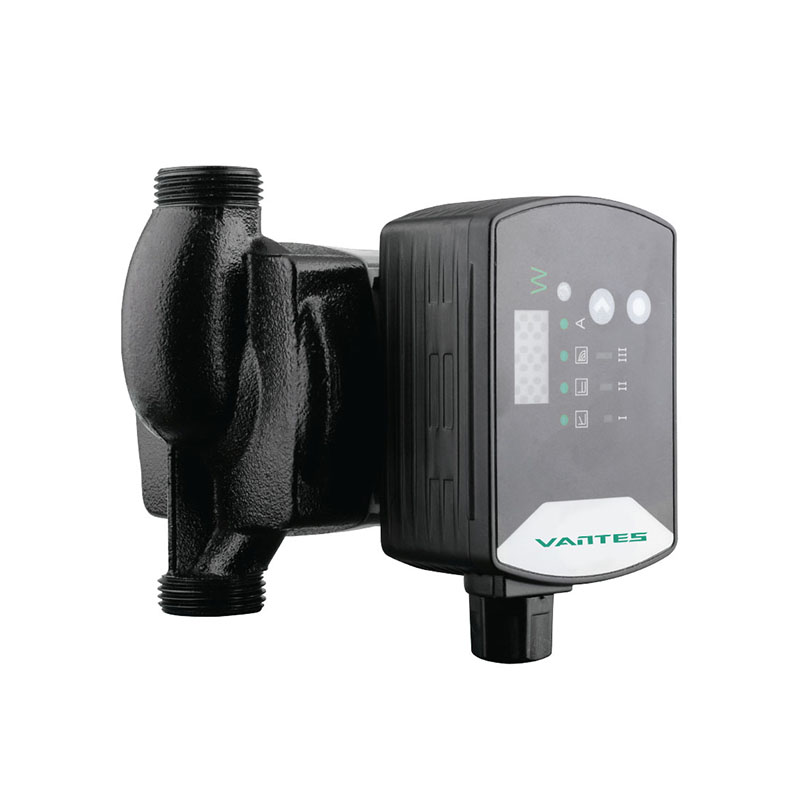
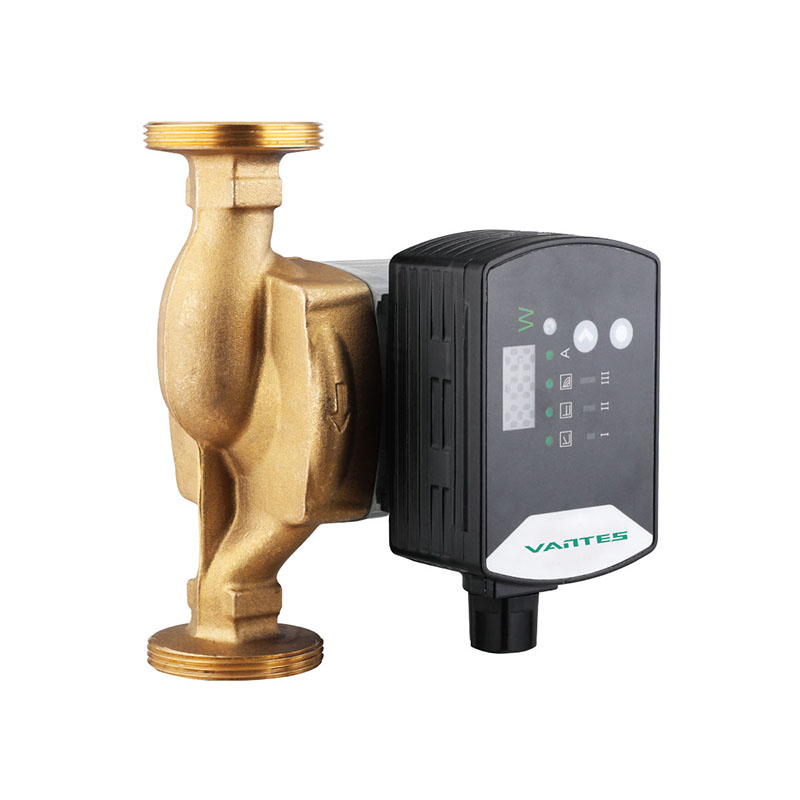
Commercial facilities often face challenges with unstable or insufficient water pressure, especially during peak usage periods or when the supply source is located far from the point of use. When evaluating solutions, many operators consider how a Centrifugal Booster Water Pump can function together with a Self Priming Electric Pump to improve water delivery in different types of commercial environments.
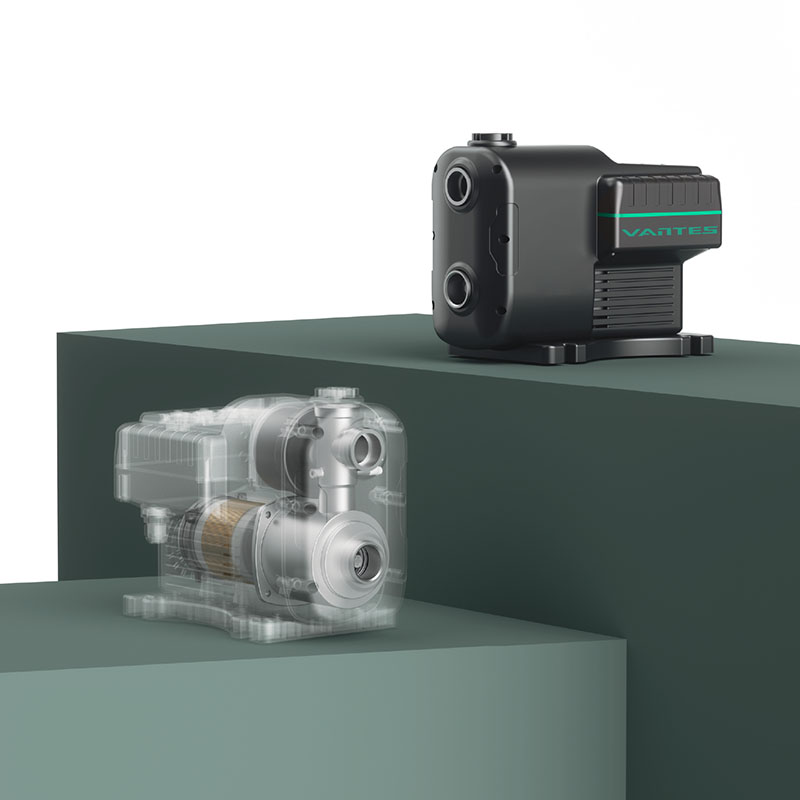
Large commercial buildings frequently experience pressure drops when multiple floors or large numbers of outlets require water at the same time. Shopping centers, for example, rely on stable water pressure for restrooms, cleaning activities, air-conditioning cooling loops, and food service areas. A centrifugal booster pump can increase pressure within the internal distribution network, helping maintain more uniform flow even when demand rises.
In multi-floor retail environments, vertical water transport often becomes a challenge, particularly during peak business hours. The booster pump helps counter elevated piping resistance so that upper floors receive a steady supply without noticeable pressure fluctuation. When paired with consistent inlet support—such as a small buffer tank or a stable suction source—the system performs more predictably throughout the day.
Guest facilities depend on stable water supply for showers, laundry rooms, kitchen service, and swimming pool systems. Because water use varies widely from hour to hour, these buildings often face situations where pressure falls temporarily when simultaneous usage peaks. A centrifugal booster pump can smooth these variations, supporting predictable performance for rooms located far from the main supply or on upper floors.
Where the suction source is irregular, such as rooftop tanks that refill slowly, a self-priming pump positioned upstream can manage air entry and re-establish suction automatically. This reduces the chance of pressure loss at unexpected times, an important consideration for facilities that must provide consistent services to guests throughout the day and night.
Restaurants, cafeterias, and central kitchens require stable water flow for dishwashing equipment, preparation sinks, steam appliances, and sanitation tasks. Sudden pressure drops can cause delays in cleaning cycles and reduce overall work efficiency. Installing a centrifugal booster pump helps maintain steady supply to these areas even when other parts of the building are drawing water simultaneously.
Commercial kitchens are often located on lower floors or partial basements, where natural pressure may be insufficient due to piping layout. The booster pump offsets this loss, allowing water-fed equipment to operate with fewer interruptions. For kitchens drawing water from storage tanks or surface sources, a self-priming pump can help maintain consistent flow before the booster receives the water.
Water usage within office buildings may not be as intense as in hospitality or food service environments, but fluctuations still occur during peak periods such as early morning or lunchtime. Pressure inconsistencies can cause slow flow at washrooms, pantry areas, and cooling system loops.
A booster pump helps create smoother flow throughout the internal network, particularly in tall commercial towers where pressure naturally drops from the lower floors to the top floors. The pump’s steady rotational design supports stable delivery and improves the distribution balance across the entire building.
Car wash operations rely heavily on continuous water flow, and even brief pressure drops can affect washing quality or extend processing time. A centrifugal booster pump can raise pressure to the level needed for high-volume washing systems, allowing sprayers and rotating equipment to function more consistently.
Since many car wash stations draw water from underground tanks, surface pits, or recycled water systems, air entry and uneven suction can occur. Placing a self-priming pump upstream helps address these issues, maintaining a dependable inlet condition that enables the booster to operate steadily. This arrangement reduces the frequency of interruptions that would otherwise slow down service.
Business parks, hotels, and large commercial complexes often maintain extensive landscaping areas that require steady irrigation. Water pressure from municipal lines may fluctuate depending on district demand, and this variability affects sprinkler coverage and irrigation timing.
Recommended Products

Mobile Terminal
Contact Information

+86-576-89954770

No 199, ErHuan Road ,Munan , Muyu Village, Wenling City, Zhejiang Province, China
Get In Touch


 English
 русский
 Español