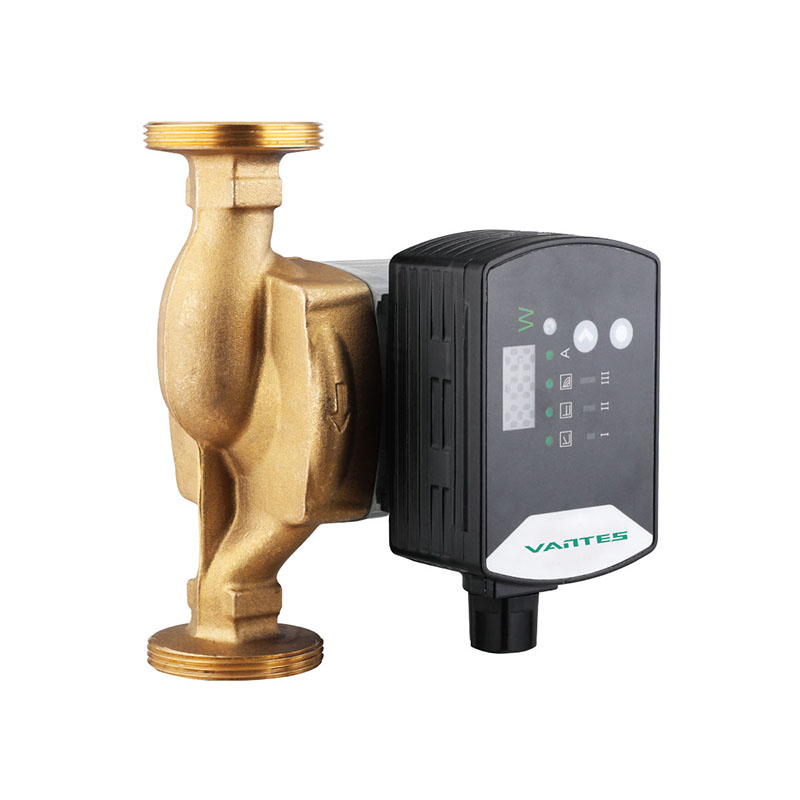
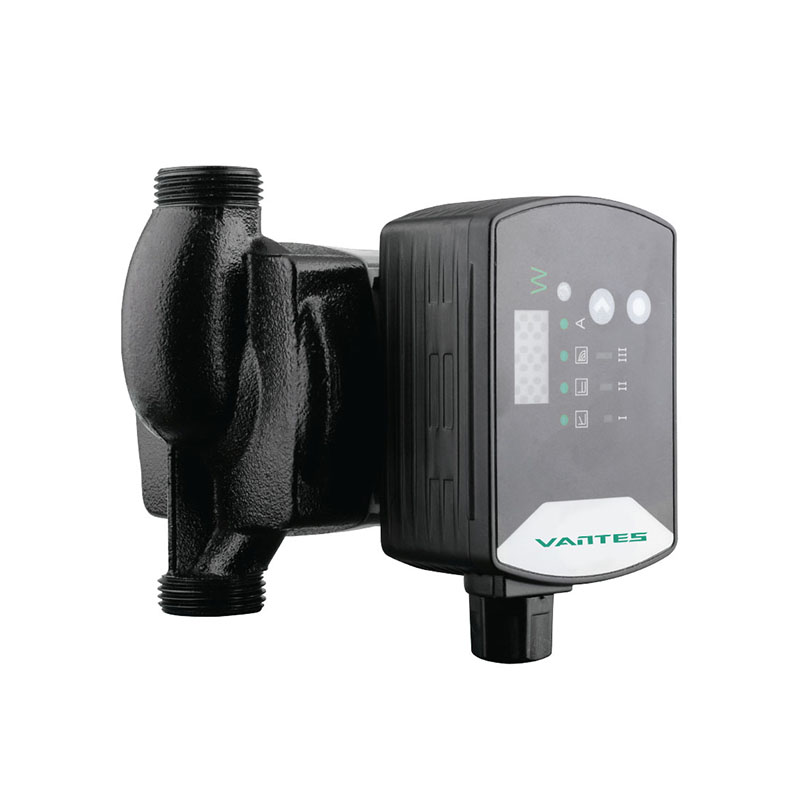
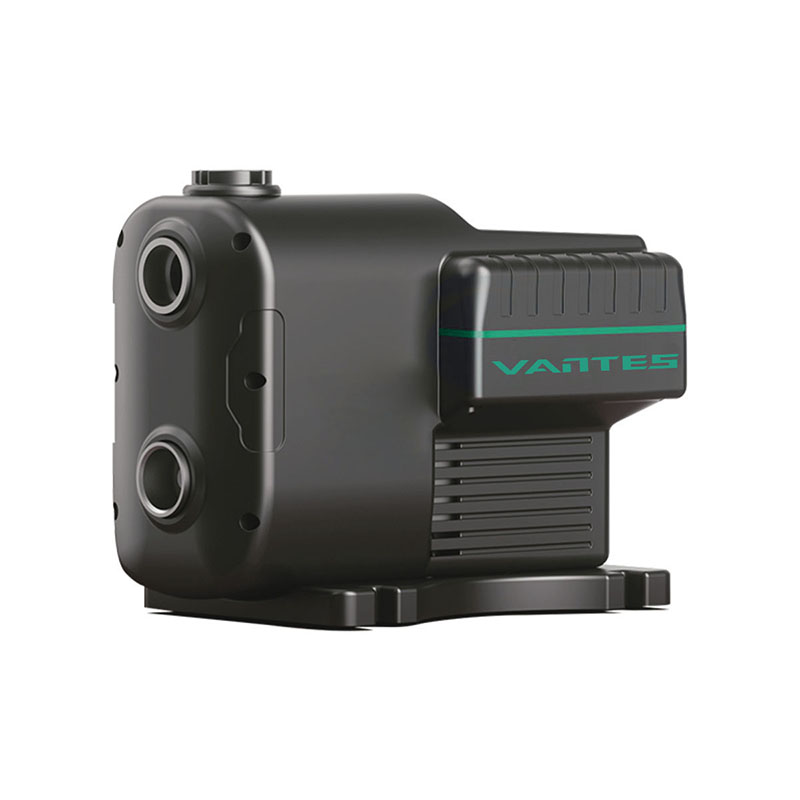
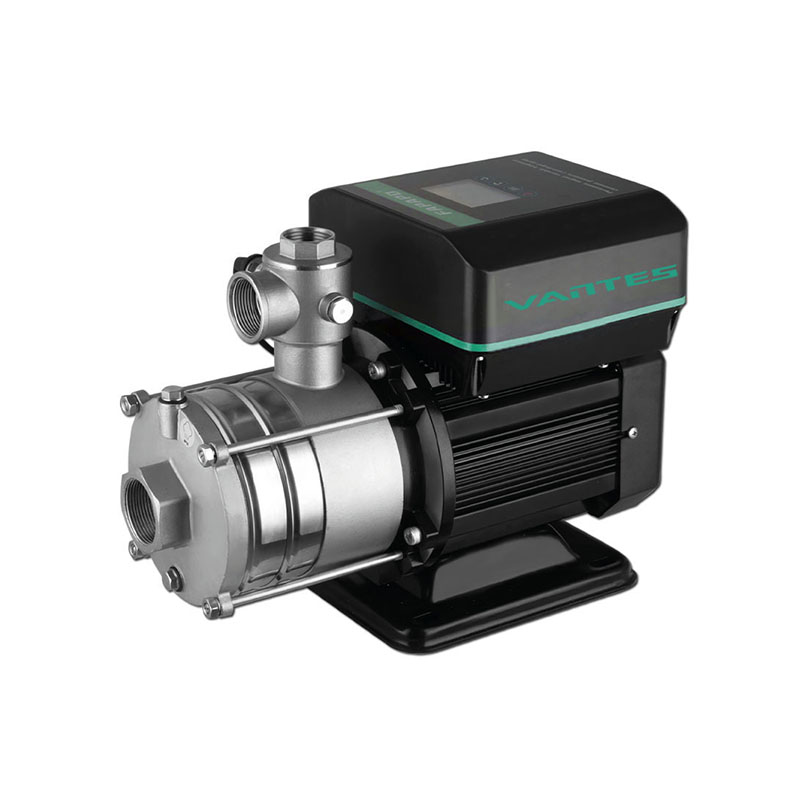
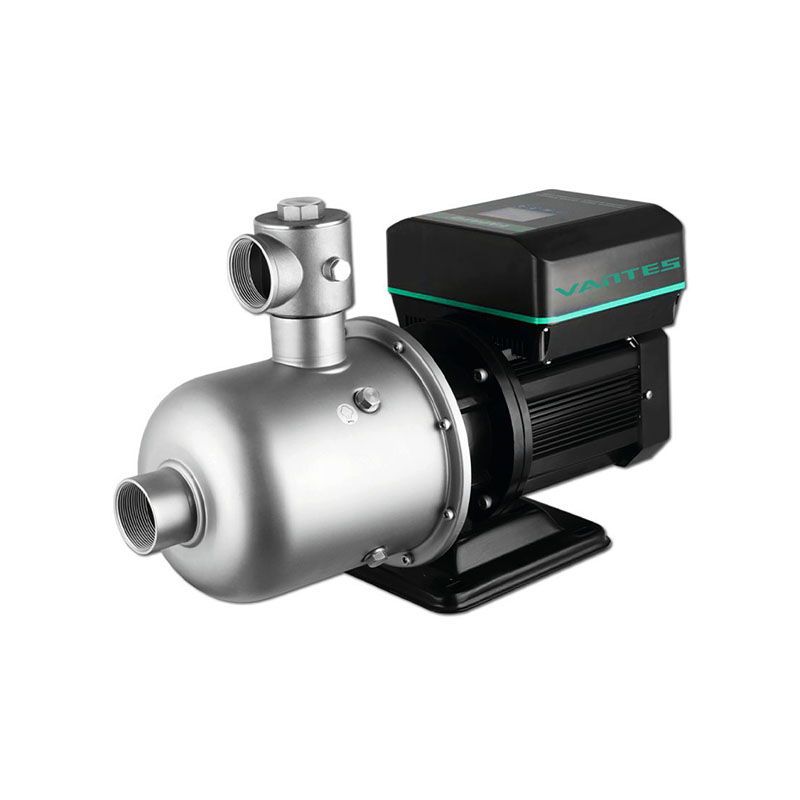
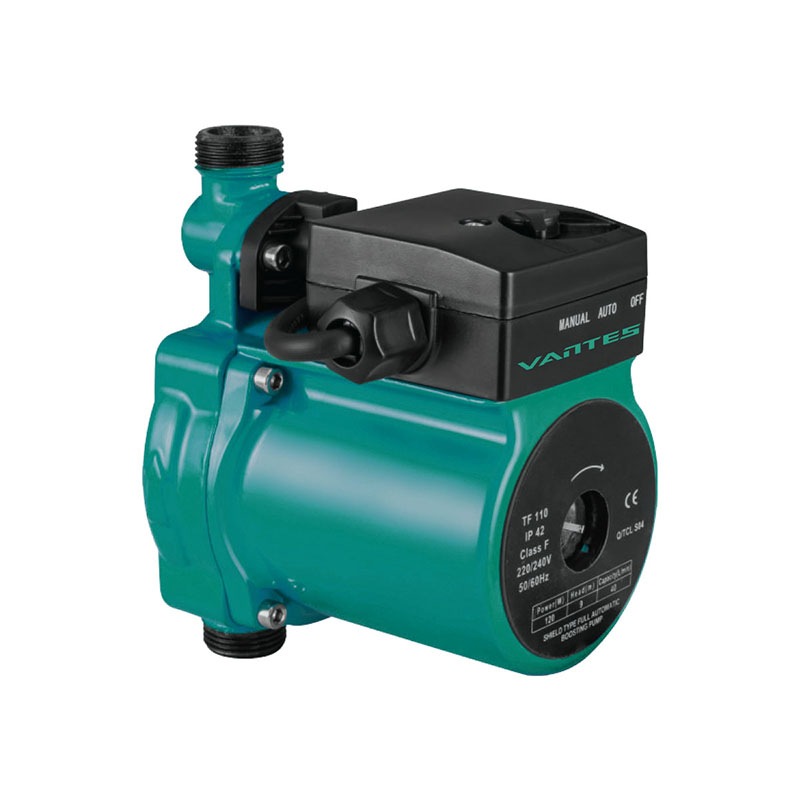
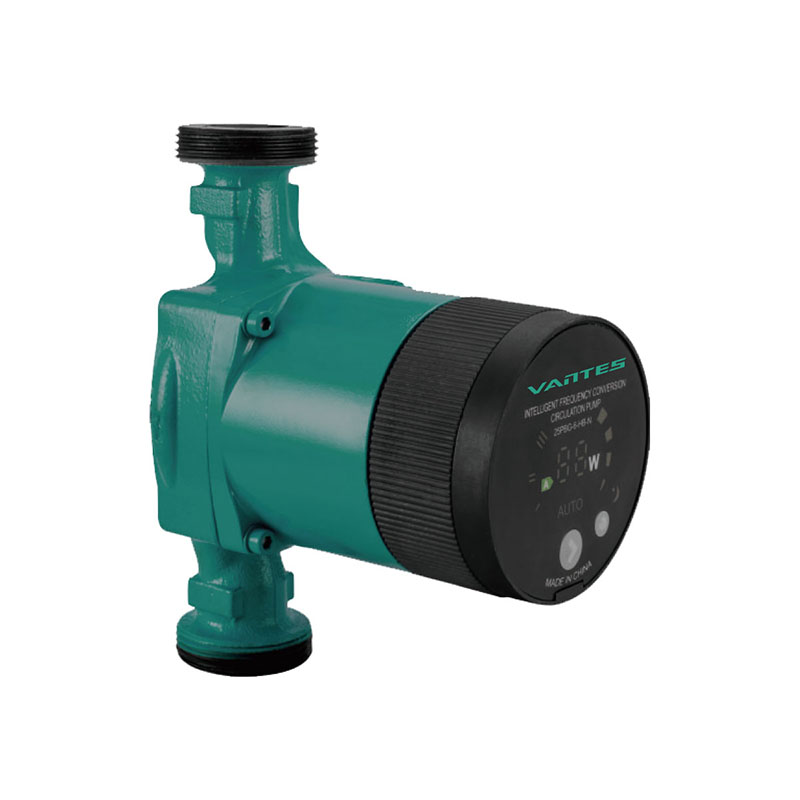
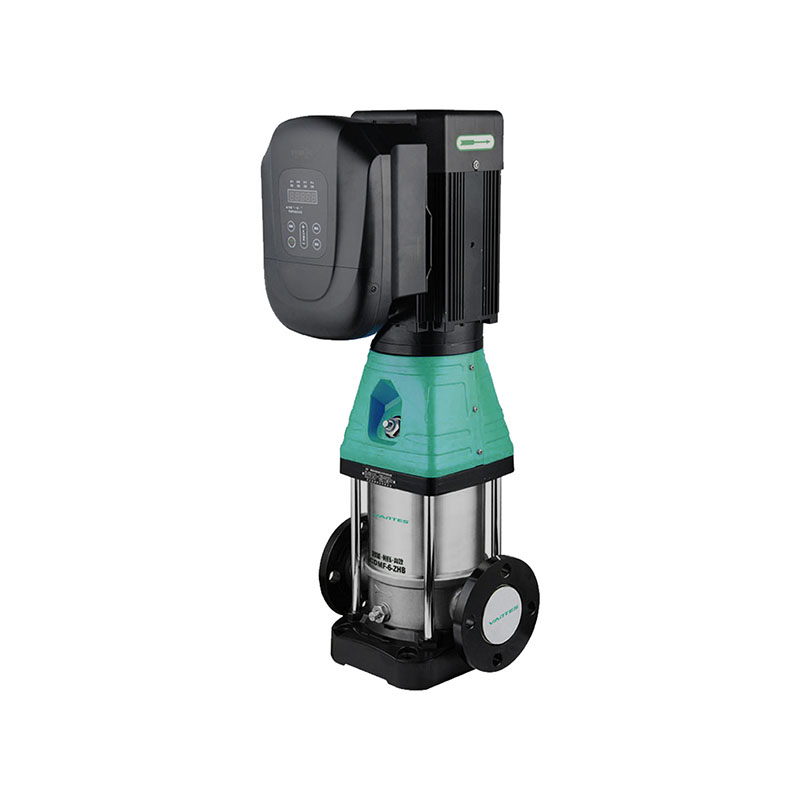
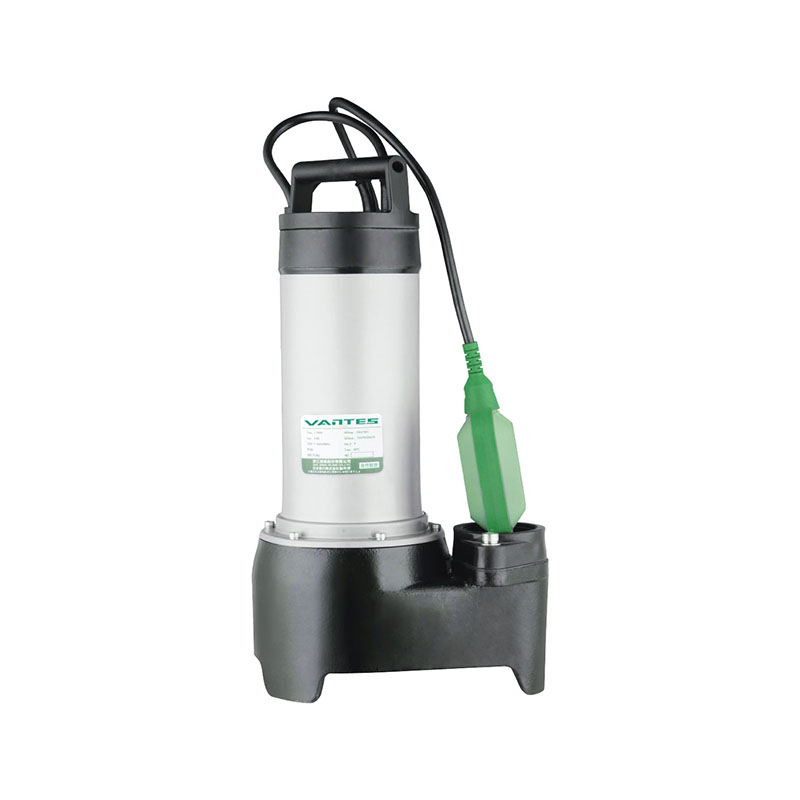
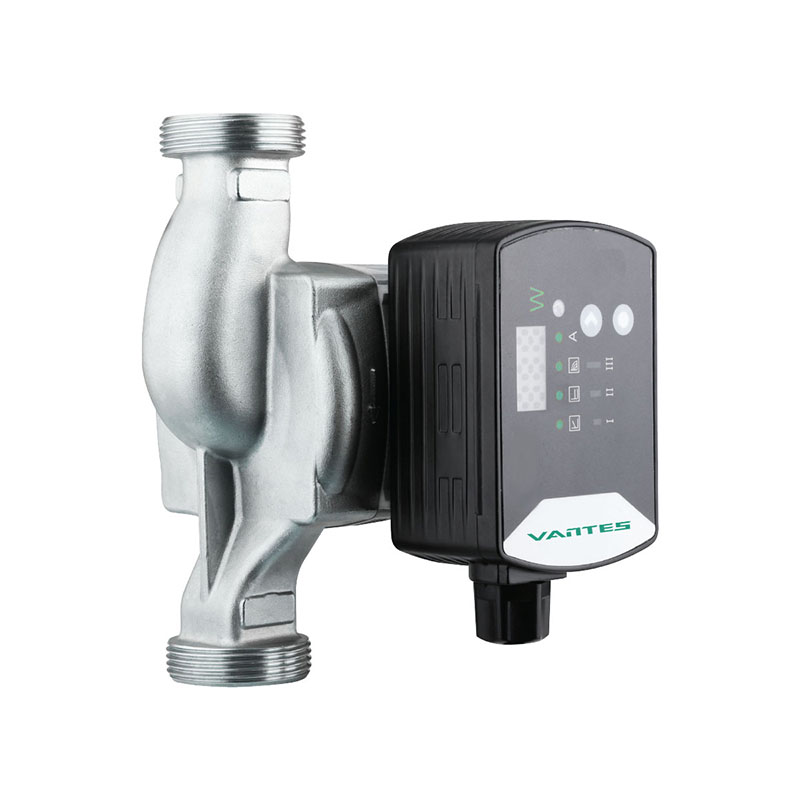
Water supply systems in industrial, agricultural, and construction environments often face unstable inlet flow caused by fluctuating water levels, inconsistent upstream supply, or intermittent suction conditions. When operators compare equipment choices, many consider how a Centrifugal Booster Water Pump functions alongside a Self Priming Electric Pump when dealing with this variability. Understanding the mechanics behind booster stabilization and the related setup methods helps users manage inconsistent inlet flow more effectively and avoid unnecessary downtime.
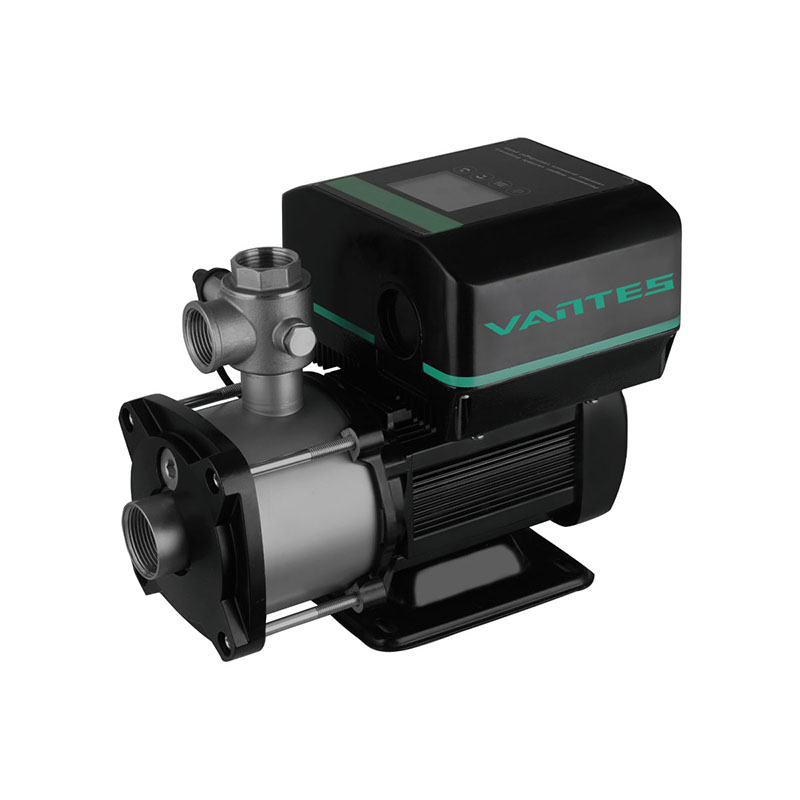
Variable inlet flow is a common issue across many sites. Water tanks may drain faster than expected, surface water sources can rise and fall during the day, and intake pipelines may trap pockets of air when positioned on uneven ground. All these factors create inconsistencies that directly influence pump performance. Even small fluctuations at the inlet can generate changes in outlet pressure, especially in systems where long pipelines or multiple outlets are used.
A booster pump alone does not correct every type of variation, but it can reduce noticeable pressure changes when properly installed. This stabilizing effect becomes more apparent when the inlet conditions are predictable enough for the pump to maintain steady impeller rotation and consistent internal flow.
A centrifugal booster operates by converting rotational energy into steady pressure output, and this mechanism naturally smooths minor irregularities entering the pump. When flow briefly dips or rises, the impeller continues rotating at a stable speed, helping maintain a more uniform outlet. For applications such as washing stations, irrigation systems, and workshop water supply, this response reduces frequent pressure swings that would otherwise disrupt work.
The booster’s internal flow path also contributes to steadier output. Water entering the impeller is continuously guided toward the volute, and this design allows the pump to handle moderate variations without abrupt performance shifts. The result is a more predictable outlet flow during short-term changes in inlet supply.
Upstream instability is one of the main reasons why inlet flow becomes uneven. A Self Priming Electric Pump placed before the booster can help manage air entry and fluctuating suction levels. The self-priming chamber circulates a water-air mixture until the air is expelled, restoring suction automatically, which reduces the chance of the booster receiving inconsistent feed.
This arrangement is practical for locations where pipelines frequently move, such as construction areas or agricultural sites. If suction is temporarily interrupted because a hose lifts out of the water or sediment accumulation shifts the inlet pipe, the self-priming unit can re-establish flow with far less intervention. As a result, the booster pump receives a more constant supply, helping it maintain steadier outlet pressure.
Installation factors influence how well a centrifugal booster stabilizes inlet fluctuations. A straight, unobstructed suction line helps maintain smoother flow before it reaches the impeller. Tight bends, air pockets, or restrictions can amplify flow variations, reducing the booster’s ability to manage them. Elevation differences also matter, as long vertical lifts increase the risk of pressure drops when water levels fall temporarily.
Using a small buffer tank upstream of the booster is another practical method. A tank equalizes short-term changes, allowing the booster to draw from a more consistent water level. This approach is commonly used in residential water supply systems, industrial workshops, and agricultural irrigation networks.
Pressure at the outlet of a booster pump depends on both impeller speed and inlet conditions. When the inlet flow decreases sharply, the pressure does not immediately collapse because the impeller continues turning. However, prolonged low flow eventually reduces internal water volume, influencing the pump’s ability to maintain stable discharge.
For this reason, users often monitor inlet conditions during long pumping cycles. A simple pressure gauge installed near the suction line can help detect when the booster is receiving lower flow than needed for stable operation. Making small adjustments—such as changing inlet depth, clearing debris, or repositioning hoses—often brings the system back to a steady state without major downtime.
Real-world applications frequently involve challenges that are not present in controlled environments. Sediment in water sources can temporarily restrict inlet flow. Hoses laid across rough ground may sag, creating air pockets. Tanks supplying the booster pump may refill slowly during peak use periods. Each of these issues affects flow consistency.
Operators can address these conditions with practical steps:
Raising the suction inlet a short distance above the bottom prevents heavy sediment from entering and reducing flow.
Securing hoses along boards or supports reduces sagging and helps avoid air collection.
Installing a simple check valve upstream of the booster can reduce flow reversal when upstream supply weakens.
These actions take little time but significantly improve overall pump stability.
Recommended Products

Mobile Terminal
Contact Information

+86-576-89954770

No 199, ErHuan Road ,Munan , Muyu Village, Wenling City, Zhejiang Province, China
Get In Touch


 English
 русский
 Español