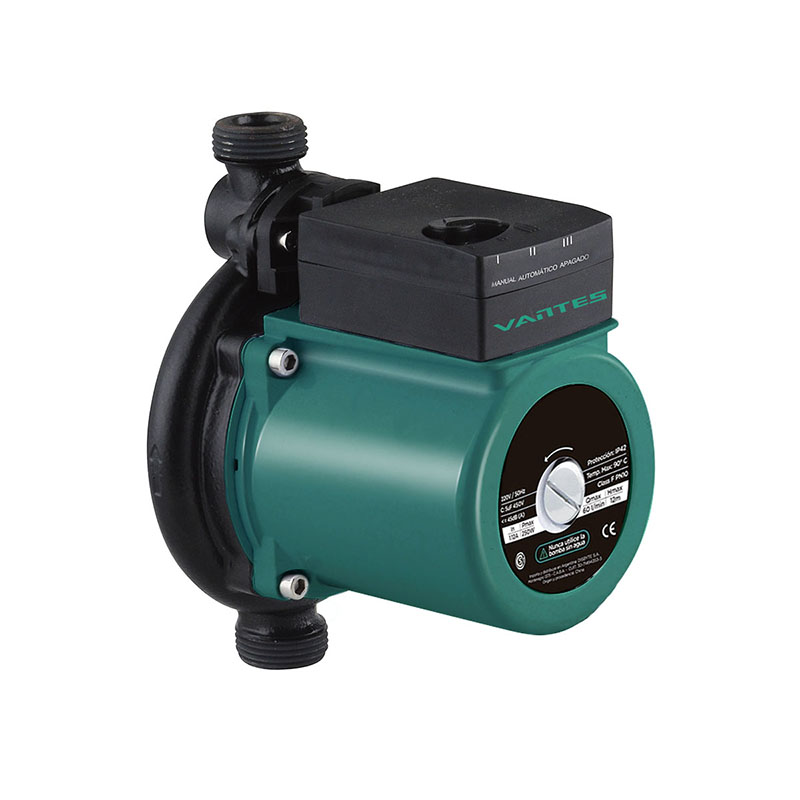
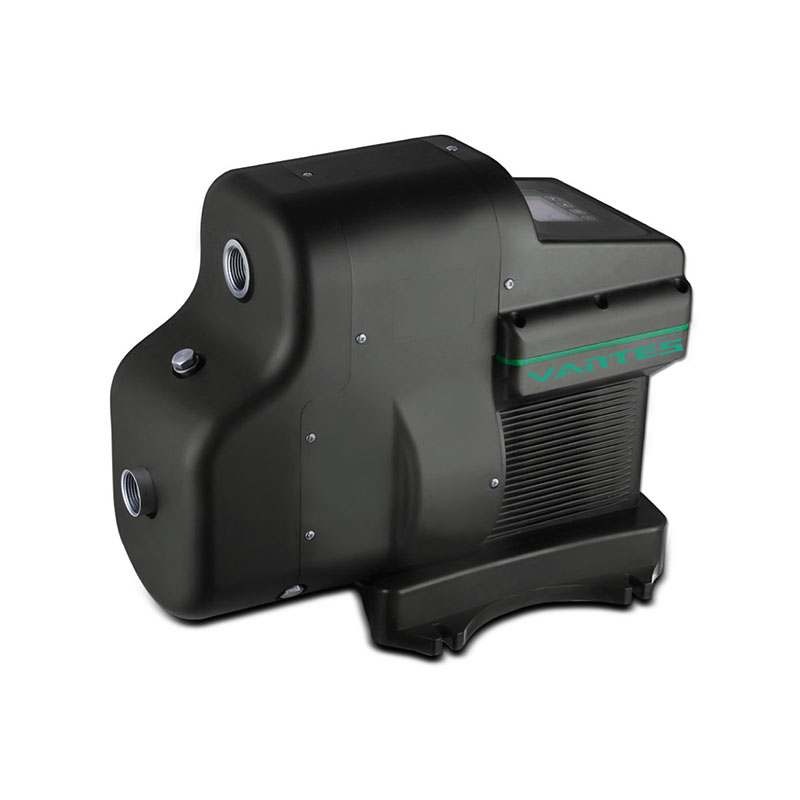
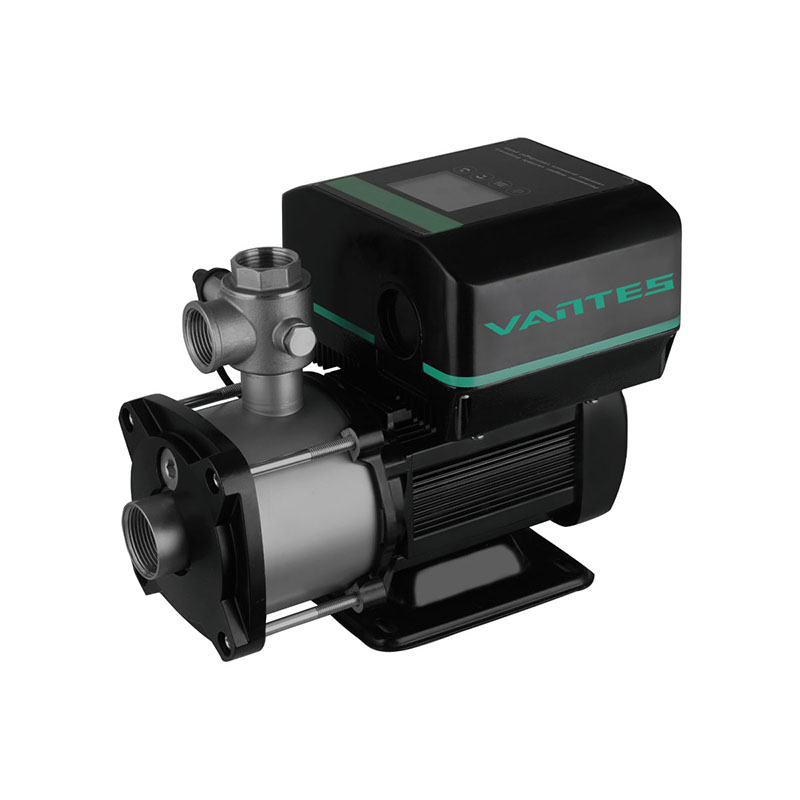
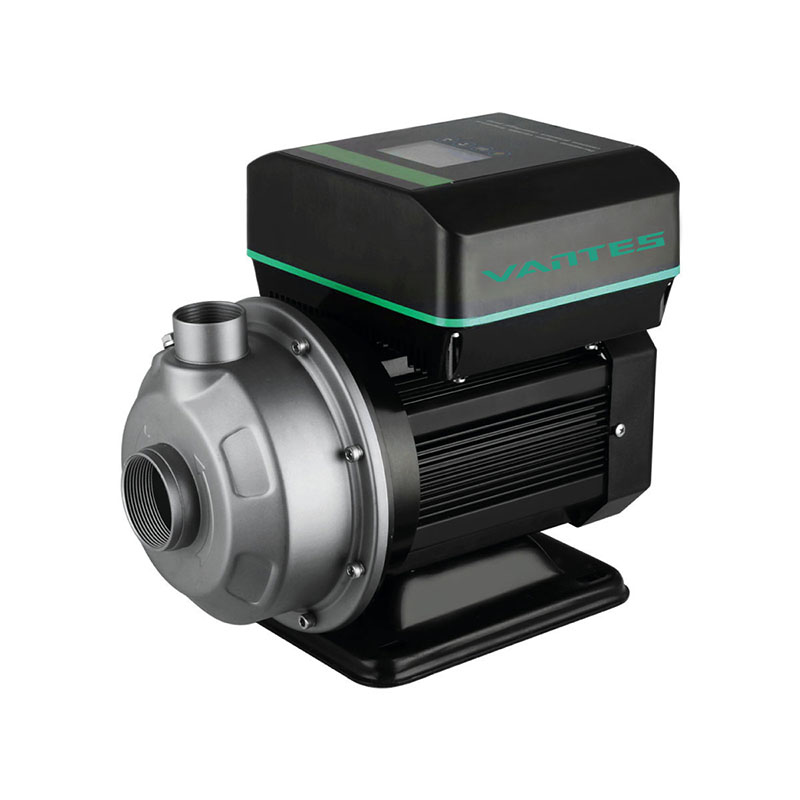
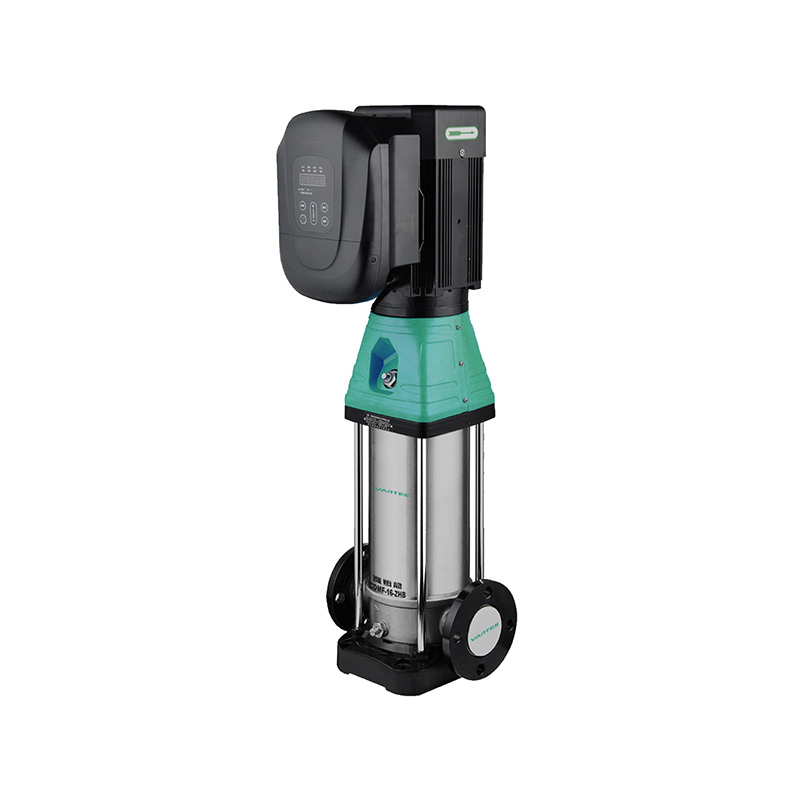
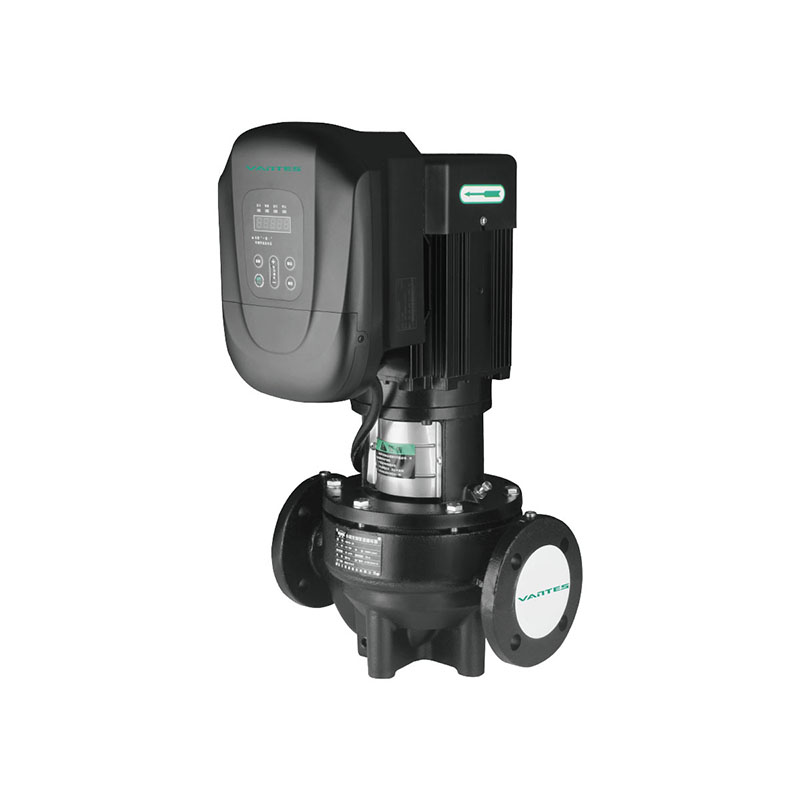
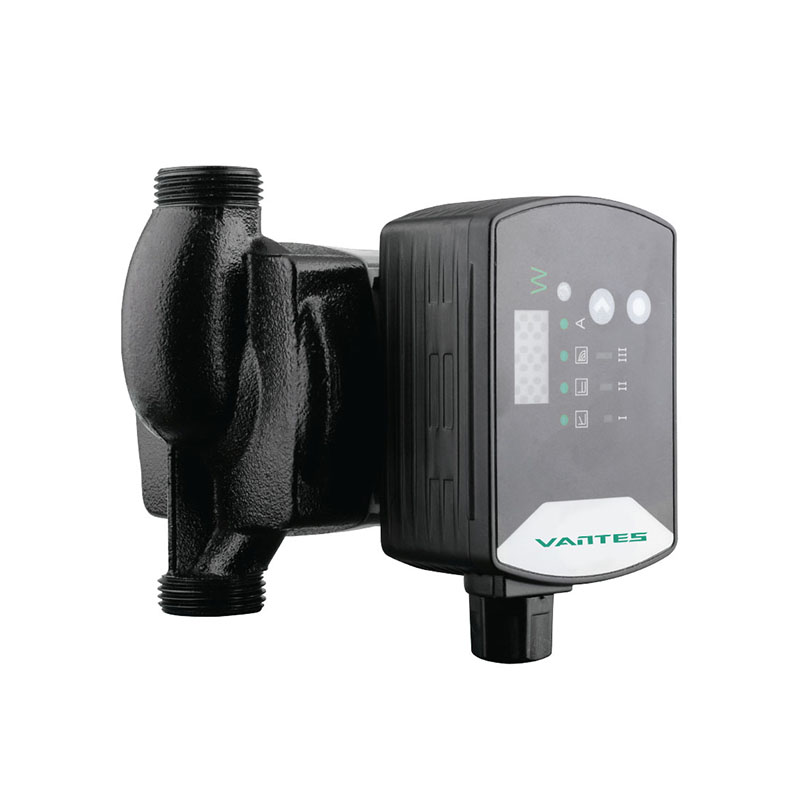
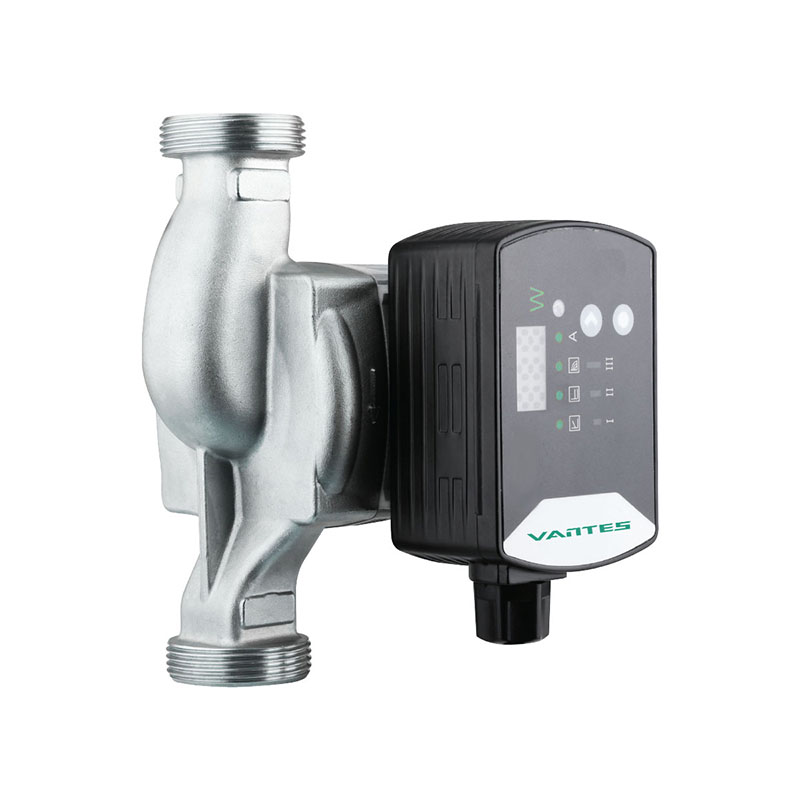
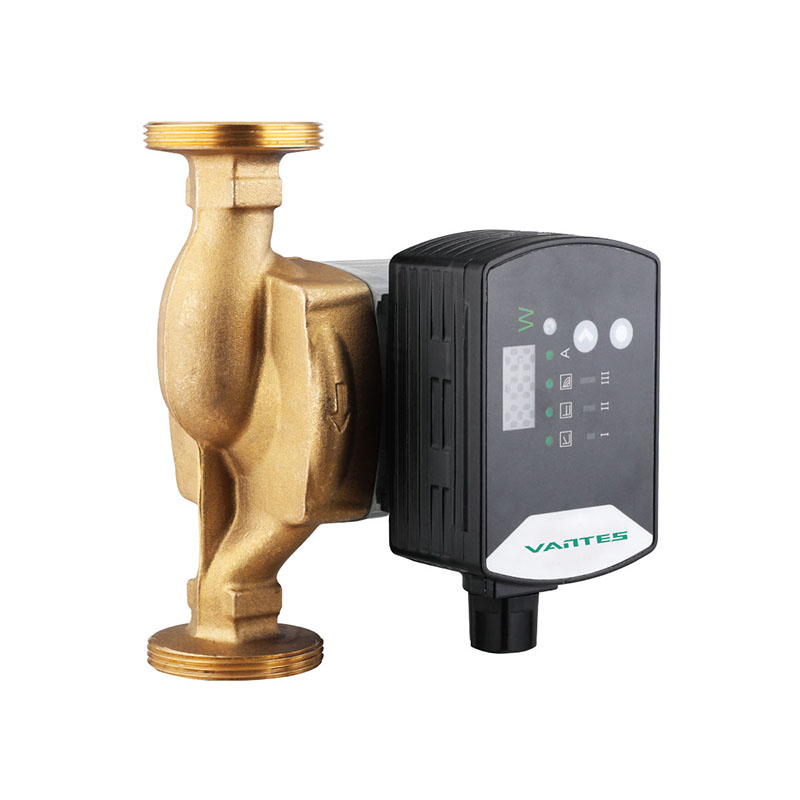
Understanding why a Pipeline Circulating Pump or a Multi-Stage Centrifugal Pump may experience performance fluctuations is essential for maintaining smooth operation in heating, cooling, and industrial liquid transport systems. These fluctuations can manifest as changes in flow rate, pressure variations, or unusual vibrations, and they often point to underlying issues that, if addressed early, can prevent more serious operational problems.
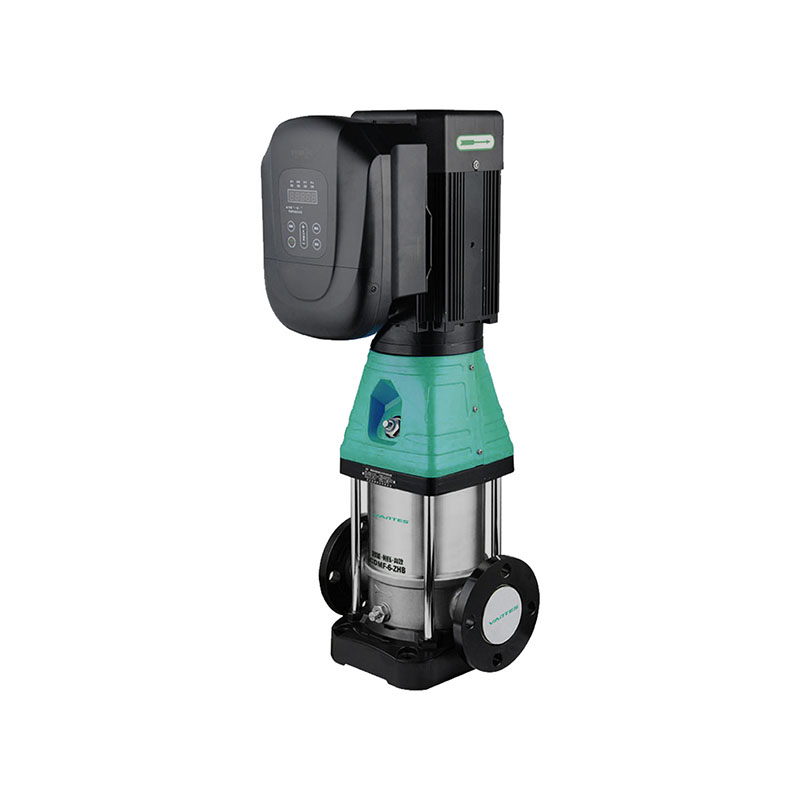
One of the main contributors to performance instability is the design and layout of the piping system. Excessive bends, sudden diameter changes, or long pipeline runs can increase friction losses and disrupt the pump’s flow balance. Incorrect valve settings or closed valves during operation may cause pressure surges or backflow, affecting multiple stages of a centrifugal pump.Ensuring that the system size matches the water pump and relatively reducing flow limitations helps maintain stable performance.
Air trapped in the system or introduced through leaks can causeirregular flow and reduced pumping efficiency. When air pockets form near the impellers, the pump may experience cavitation, characterized by vibration, noise, and gradual wear on impeller surfaces. Multi-Stage Centrifugal Pumps are particularly sensitive, as cavitation can affect multiple impeller stages differently, causing uneven pressure and flow across the system. Regularly inspecting suction lines for leaks and maintaining proper priming can help reduce these effects.
Mechanical factors, including shaft misalignment, bearing wear, and coupling issues, can contribute to fluctuating performance. Misaligned shafts increase vibration and energy consumption, while worn bearings or couplings reduce smooth rotational motion. Multi-Stage Centrifugal Pumps involve several impeller stages, so even minor mechanical deviations can amplify across the system. Routine checks of alignment, lubrication, and wear components are necessary to keep the pump operating consistently.
The properties of the circulating medium also influence pump performance. Liquids with suspended solids, high viscosity, or temperature outside the pump’s recommended range can reduce flow efficiency and pressure stability. Using strainers or filters, and monitoring temperature and viscosity, helps prevent these issues.
Voltage fluctuations, unstable power supply, or incorrect variable frequency drive settings can cause a pump operate outside its performance range. For pumps with permanent magnet motors or variable speed drives, inconsistent electrical input may cause speed variations that directly affect flow rate and pressure. Ensuring the power supply is within acceptable limits and that control systems are properly configured is essential for stable operation.
Regular maintenance and monitoring play a significant role in preventing performance fluctuations. Checking bearings, seals, and impellers for wear, and monitoring vibration and noise levels, allows early detection of potential issues. Multi-Stage Centrifugal Pumps benefit from periodic stage inspections to ensure balanced performance across all impellers. Monitoring pressure and flow during operation helps identify trends that may indicate developing problems before they impact the system.
Performance fluctuations in a Pipeline Circulating Pump or a Multi-Stage Centrifugal Pump often arise from a combination of system, mechanical, medium, and electrical factors. Addressing each aspect through proper system design, careful alignment, controlled operating conditions, and routine maintenance ensures more stable and predictable operation, supporting efficient fluid circulation in diverse applications.
Recommended Products

Mobile Terminal
Contact Information

+86-576-89954770

No 199, ErHuan Road ,Munan , Muyu Village, Wenling City, Zhejiang Province, China
Get In Touch


 English
 русский
 Español